
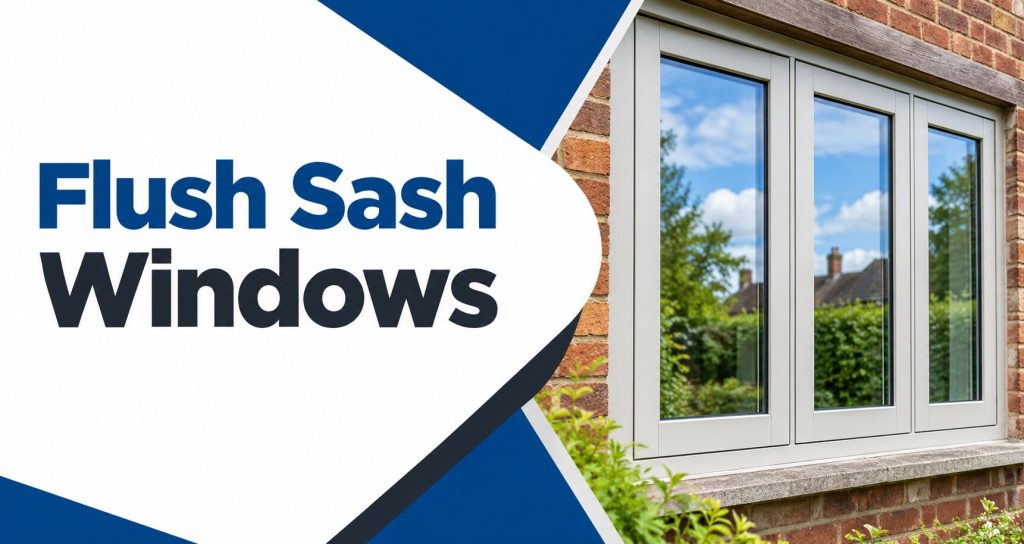
Maintaining period home character with modern performance
Flush sash windows are a popular choice for period properties because the sash sits flat within the outer frame, replicating the clean, traditional lines of original timber windows. Available in uPVC with authentic woodgrain finishes, they’re well-suited to Victorian, Edwardian, and Georgian homes — including many listed buildings and conservation area properties — while delivering modern thermal performance, low maintenance, and improved weather resistance.
You didn’t buy a period home just to slap a set of chunky white uPVC windows in it. The proportions, the sightlines, the general feel of the façade — it all matters. And yet, original timber windows don’t last forever, and draughts, damp, and rattling frames aren’t exactly charming.
The good news? You don’t have to choose between kerb appeal and comfort. Flush sash windows have become a go-to solution for homeowners who want the heritage look with the performance of a modern installation. At EasiGlaze, we’ve been helping homeowners across Essex and London navigate exactly this choice for over 35 years — and flush sash windows come up again and again as the answer.
Here’s everything you need to know.
What are flush sash windows?
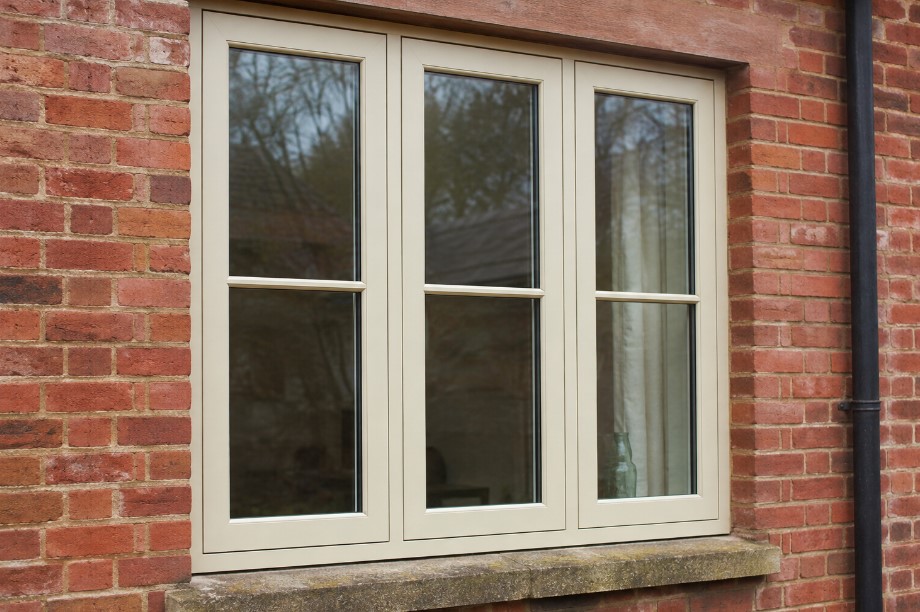
Flush sash windows are a window design where the opening sash sits level — or flush — with the outer frame, creating a smooth, flat exterior profile that closely replicates the look of traditional timber joinery. There’s no protruding lip, no overlap, just a clean, flat surface that closely mimics the look of traditional painted timber windows.
This matters on period homes because original windows were typically built this way. The result is a window that looks as though it belongs to the house rather than one that’s been plonked in as an afterthought. Modern flush sash windows for period properties are most commonly manufactured in uPVC, with woodgrain finishes that replicate the texture and appearance of painted timber — without the repainting every few years.
They’re sometimes confused with standard casement windows or spring-balanced sash windows. The distinction is in the profile: with a flush sash window, the sightlines stay narrow and the aesthetic stays period-appropriate. A standard casement sash overlaps the frame by roughly 15–20mm, creating a stepped exterior lip that can look out of place on older properties.
Flush sash vs box sash style windows: what’s the difference?
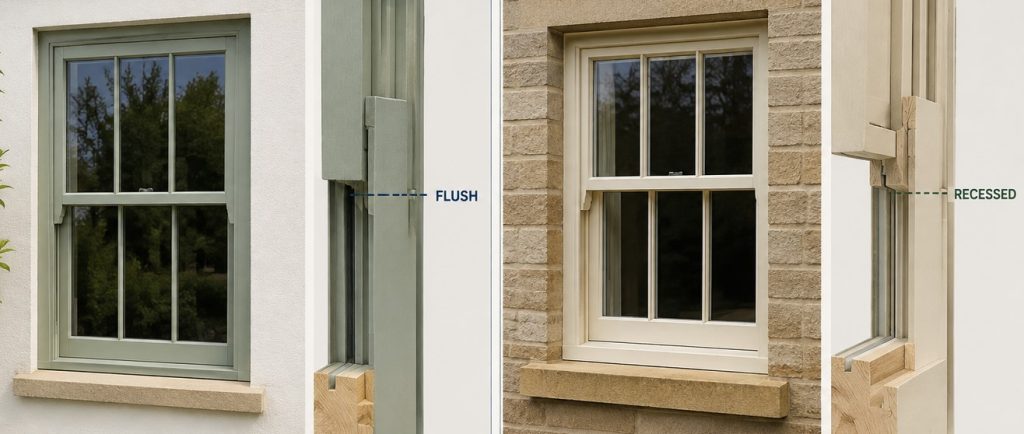
This is one of the most common questions we get. Both are excellent period-sympathetic options, but they suit different homes and priorities. Here’s a simple comparison:
| Feature | Flush sash windows | Box sash style windows |
| Appearance | Sash sits flat within the frame; slim, clean profile | Traditional sliding sashes within a deeper box frame; classic vertical glazing lines |
| Operation | Typically tilt-in for easy cleaning; various opening mechanisms available | Two sashes slide vertically; upper and lower sashes both operate |
| Best suited to | Victorian, Edwardian terraces and cottages; properties where a clean, painted-timber look is the priority | Georgian and Victorian homes where the authentic sliding sash look and operation are key |
| Maintenance | Very low; uPVC resists rot, peeling, and warping | Low in uPVC; timber box sash requires ongoing maintenance |
Both are excellent options for box sash style windows UK homeowners tend to consider. Flush sash windows are better suited to properties where a clean, flat exterior profile is the priority — or where planning requirements call for slim sightlines. Box sash style windows work best when the authentic vertical-sliding action is important to the character of the home, particularly on Georgian properties with a more formal street presence. It really comes down to the specific character of your property and what your local planning authority (if relevant) is likely to approve.
Why flush sash windows suit period properties
Period homes have a rhythm to them. The windows are part of that rhythm — their size, spacing, and proportions all contribute to how the building reads as a whole. Swap them out for something visually incompatible and the whole façade suffers.
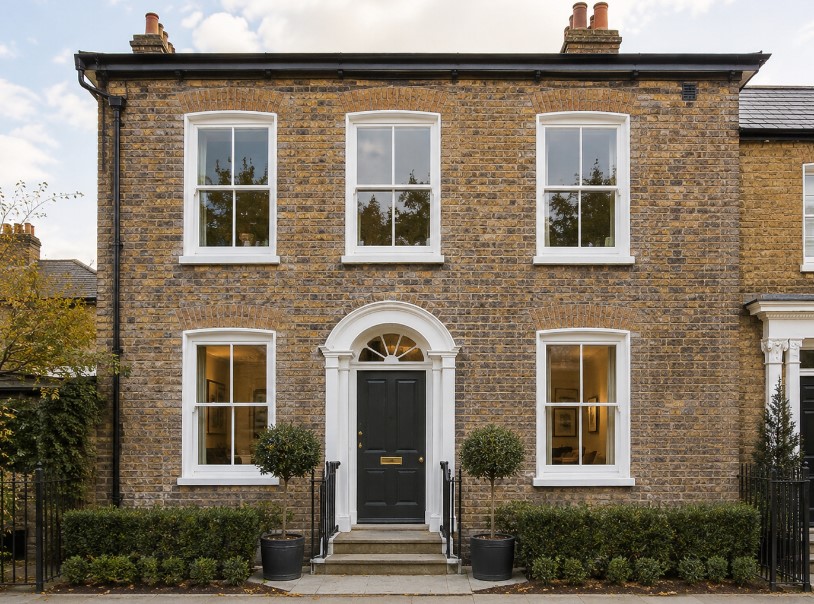
Flush sash windows are designed with exactly this in mind. First introduced in Britain in the 17th century, sash windows remain a key part of period style, and modern versions can preserve that traditional design with an authentic appearance and plenty of traditional charm while still bringing in natural light.
The slim frame profiles keep sightlines narrow, closely matching the appearance of the original joinery. Available in a wide range of colours and woodgrain finishes, they can be matched to the rest of the property — whether that’s Georgian sash windows in an East London townhouse with glazing bars and complex grid patterns made up of smaller panes, victorian sash windows in a Chelmsford terrace with larger panes and fewer glazing bars typical of many victorian windows from the Victorian era, or Edwardian homes in Billericay with larger panes and more intricate detailing.
Sash windows for period properties work best when they feel like a continuation of the original design rather than a replacement. That’s precisely what a well-specified flush sash window achieves. Many local planning authorities across the UK now accept flush sash uPVC systems specifically because their slim profiles and flat exterior surface closely replicate what was there before — which is ultimately what councils are looking for. Sash horns are especially important for authentic period window renovations, particularly on Victorian-style replacements.
Modern performance benefits (the bit your house will thank you for)
Looking the part is only half the story. Here’s where modern flush sash windows genuinely earn their keep:
Heat retention and draught reduction
Our flush sash windows are built with multi-chamber uPVC profiles, which trap air and significantly reduce heat transfer. They can achieve U-values as low as 1.0, with some Liniar systems reaching 0.87 W/m²K for even stronger energy efficiency. Paired with energy-saving double glazing and weather-tight seals, they’re a meaningful upgrade over draughty single-glazed timber originals, helping improve energy savings.
Noise reduction
We fit our windows with Q-Lon gaskets — a high-performance weatherseal that offers 99% compression recovery and maintains an airtight fit even after years of regular use. Beyond keeping draughts out, Q-Lon seals also support sound insulation and thermal efficiency, which makes a noticeable difference if you’re on a busy road or near a railway line.
Security
Modern flush sash windows come with multi-point locking systems as standard — a significant step up from the basic catches on many original windows. Enhanced PAS 24 upgrades are also available, making the overall design more secure. On sliding sash windows, toughened glass can provide an extra layer of protection. Peace of mind without compromising on appearance.
Low maintenance
Unlike traditional timber, uPVC doesn’t rot, warp, or need repainting. A wipe down with warm soapy water is all it takes to keep them looking good. For period property owners who’ve spent years maintaining original timber frames, this alone tends to be a revelation.
Flush sash windows for listed houses and conservation areas: read this first
If your home is listed or sits within a conservation area, flush sash windows can still be a strong choice — and many designs are sympathetic to conservation area regulations, though approval still depends on the local authority — but the planning requirements need careful attention before any work begins. Requirements vary by local authority, so it’s always worth getting the specifics right early.
Here’s a practical starting point:
- Listed buildings typically require listed building consent before any window replacement. This applies regardless of whether the new windows look similar to the originals. For a listed property, timber windows are often required where heritage officers want a like-for-like material match, especially when replacing traditional timber windows or existing timber sash windows. Your local council’s conservation officer is the right person to speak to first.
- Conservation areas may have Article 4 Directions in place, which remove certain permitted development rights and mean planning permission is required for window changes. Check your Conservation Area Appraisal to understand what applies to your street, and remember any replacement must also comply with 2022 Building Regulations.
- Document what you’re replacing. A clear record of the original windows — dimensions, glazing bar layout, frame profile — helps when making a consent application and ensures any new windows are specified to match what was originally installed.
- Match sightlines and proportions. Councils typically look for “like-for-like” replacement in character terms. Flush sash windows for listed houses are often well-received in these contexts because their slim profiles closely replicate traditional timber sash windows.
We work regularly with homeowners in sensitive locations and can help you understand what’s likely to be suitable for your property. If you’re unsure what’ll be accepted, it’s worth having a conversation before you commit to anything — our quotes are free and there’s no pressure.
Choosing the right flush sash windows: a quick checklist
Before you sign off on any order, run through these:
- Frame profile and sightlines — do they match the proportions of your existing windows, and are you choosing the right design for the property? Depending on the system, flush sash windows are available in over 50 styles, and some mechanically jointed options improve realism.
- Colour and finish — woodgrain options, foiled or painted finishes, period-appropriate colours
- Glazing specification — double glazing is the standard; triple glazing may be appropriate in specific cases but isn’t always necessary or suitable, and astragal bars can be specified where traditional detailing is needed to your exact specification
- Seals and weather performance — look for quality weatherseals (Q-Lon or equivalent) and multi-chamber profiles
- Ventilation compliance — trickle vents may be required to meet ventilation rules and should be specified to suit the window finish
- Installer credentials — always use a FENSA-registered company; this ensures compliance with building regulations and protects you if you ever sell
- Guarantees and aftercare — we provide 10-year insurance-backed guarantees on all installations
If you want a second opinion on what’ll suit your home, we’re happy to help — our quotes are free and there’s no obligation to proceed.
Our approach at EasiGlaze

We’re a FENSA-registered double glazing company based in Billericay, Essex, with over 35 years of experience installing windows and doors across Essex and East London — including Docklands, Hackney, Tower Hamlets, Waltham Forest, and the surrounding boroughs.
When you get in touch with our team today, here’s how it works: we’ll arrange a free, no-obligation home visit to measure up and talk through the options. There’s no hard sell — just straightforward advice on what’ll work for your property, your style preferences, and your budget. Once you’re happy, we’ll handle everything through to installation and aftercare.
We’re proud of our reputation for clean workmanship, clear communication, and leaving homes exactly as we found them — just with better windows.
Frequently asked questions
Do flush sash windows look authentic on period homes?
Yes — the key is the slim frame profile and flat sash design, which closely replicates the appearance of original painted timber windows. With woodgrain finishes, period-appropriate hardware, and astragal bars, they can achieve an authentic appearance that’s difficult to distinguish from the real thing at street level.
What’s the difference between flush sash windows and box sash style windows?
Flush sash windows have a sash that sits level with the frame, creating a clean flat surface. Box sash style windows replicate the traditional sliding vertical sash mechanism within a deeper frame. Both suit period properties — flush sash windows are better suited to homes where slim sightlines and a flat exterior are the priority, while box sash style windows work best where the authentic sliding action is central to the character of the property.
Are flush sash windows suitable for listed houses?
They can be — especially where they replicate the original window design closely. However, listed building consent is almost always required before replacement, and approval depends on your local authority’s conservation officer. Always check before proceeding.
Do I need planning permission for sash windows on a period property?
Not automatically, but it depends. Listed buildings need consent. Conservation areas may have restrictions under Article 4 Directions, and new sash windows for a listed property may still need to match exact heritage expectations even where modern upgrades are proposed. If in doubt, speak to your local planning authority before any work starts — it’s a quick check that can save a lot of hassle down the line.
Are flush sash windows energy efficient?
Yes. Multi-chamber uPVC profiles and energy-saving double glazing work together to reduce heat loss and improve insulation — a significant upgrade over draughty original timber windows. Many double glazed sash windows also balance traditional looks with modern performance.
Can flush sash windows reduce noise?
Quality weatherseals — including Q-Lon gaskets — contribute to acoustic performance by creating an airtight seal around the frame. The improvement is particularly noticeable in homes on busy roads or near transport links.
What’s the difference between flush sash and flush casement windows?
They’re the same thing described differently. Some manufacturers use “flush sash” while others say “flush casement” — both refer to the flush sash window style, where the opening sash and frame sit flush to create a sleek design. The design principle is identical either way.
How long does installation take?
It varies depending on the number of windows and the complexity of the job, but most residential installations are completed within a day or two. We’ll give you a realistic timeline when we visit.
Do you offer a guarantee?
Yes — we provide a 10-year insurance-backed guarantee on all our installations.
Which areas do you cover?
We cover Essex (including Billericay, Chelmsford, Basildon, Colchester, Brentwood, and more) and East London/Docklands (including Hackney, Tower Hamlets, Newham, and Havering).
What happens during a free quote visit?
One of our team will come out to measure up, take a look at the existing windows, and talk through the options with you. It’s a no-pressure conversation — we’re there to give advice and help you make the right choice for your home.
Ready to explore your options?
Period charm, modern performance, and practical benefits really can coexist — and flush sash windows are often the best way to achieve both. Whether you’re replacing draughty originals, navigating conservation area requirements, or simply trying to find windows that suit the character of your home, we’re here to help.
Request your free, no-obligation quote today — we’ll visit, measure up, and talk you through everything. No jargon, no hard sell, just honest advice from a team that knows period properties inside out.