
Let’s be honest, there is nothing quite as quintessentially British as complaining about the weather. One minute it’s raining, the next it’s… well, usually still raining, but slightly colder. But while we can’t control the skies, we can certainly control how much of that chill gets into our living rooms.
If you find yourself cranking up the thermostat only to feel a draught tickling your ankles five minutes later, you might be unintentionally heating the entire neighbourhood.
At Easiglaze, we’ve spent over 35 years as a FENSA registered double glazing business in Essex, helping homeowners keep the warmth in and the weather out. We know a thing or two about energy efficiency, and the truth is, if your windows have seen better days, your bank balance probably has too.
In this guide, we are going to dive into the science of double glazing, demystify the jargon, and explain exactly how upgrading your frames can transform your home from an icebox into a sanctuary. Upgrading to modern double glazing is not just about comfort—it’s also about saving money on your energy bills.
Introduction to energy efficient solutions
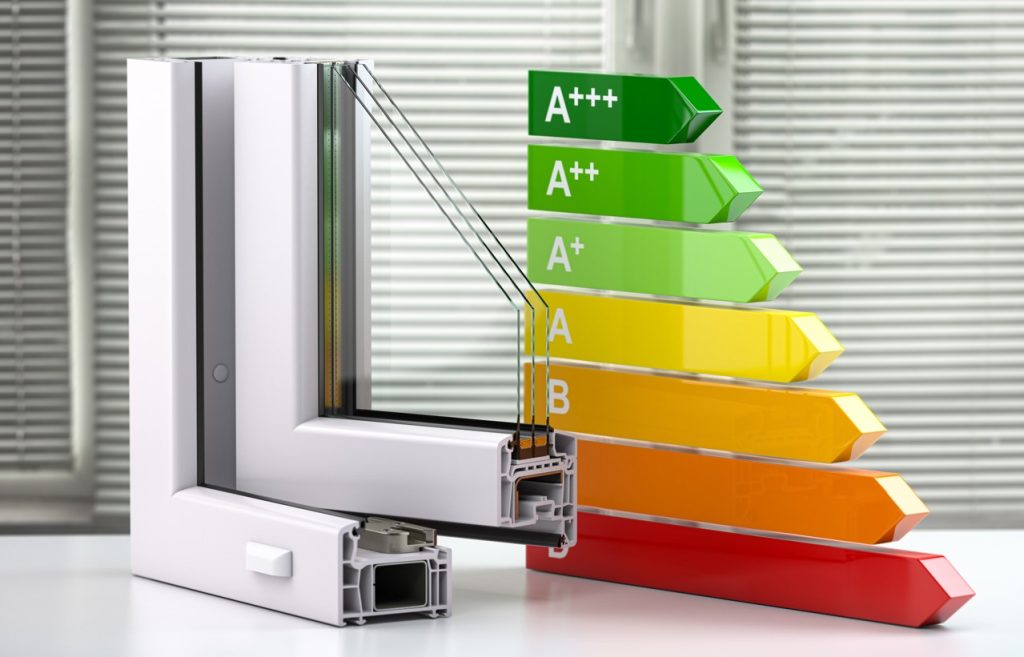
When it comes to keeping your home warm and your energy bills in check, energy efficient solutions are more important than ever. One of the smartest moves you can make is to install energy efficient windows and doors. Whether you opt for double glazed or triple glazed windows, these modern marvels are designed to dramatically reduce heat transfer, keeping that precious warm air inside where it belongs. Not only does this mean lower heating bills, but it also helps shrink your carbon footprint—good news for both your wallet and the planet.
By choosing energy efficient windows, you’re not just making your home more comfortable; you’re investing in an energy efficient home that’s built to withstand the unpredictable British weather. Glazed windows act as a barrier against heat loss, ensuring your living spaces stay cosy without your boiler working overtime. So, if you’re looking to save money, boost comfort, and do your bit for the environment, upgrading your windows and doors is a step in the right direction.
Understanding the double glazing sandwich
Before we get into the nitty-gritty of U-values and thermal efficiency, let’s strip it back to basics. What exactly is double glazing?
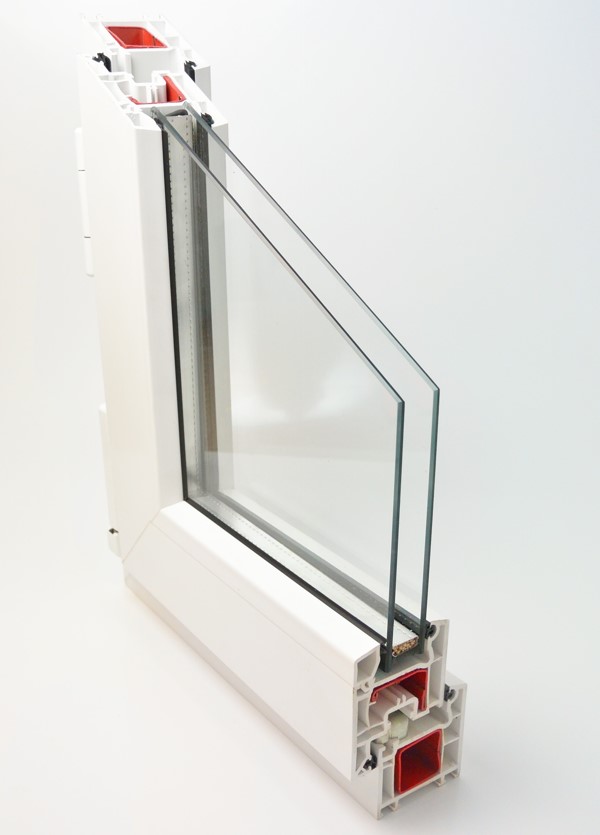
Think of it as a very sophisticated sandwich. Instead of bread and cheese, you have two panes of glass separated by a spacer bar. But it’s not just fresh air in that gap (though in the very old days, it sometimes was). Modern double glazed units are now the standard, using an inert gas—typically argon—between the panes to enhance insulation.
Why argon? Because it is heavier and denser than air. It acts as a poor conductor of heat, meaning it’s much harder for the warm air inside your home to escape through the glass, and equally difficult for the cold air outside to barge its way in. This creates an insulating barrier—a thermal break—that effectively seals your home against the elements.
This barrier is crucial for two reasons: keeping you toasty during our long, grey winters and, perhaps surprisingly, stopping your house from becoming a greenhouse during the brief week of summer we get in July.
The science: why modern frames are superior
You might be thinking, “I have double glazing, it was installed in 1995, surely that’s fine?” Well, technology moves fast. You wouldn’t use a mobile phone from the 90s to browse the internet, and you shouldn’t rely on 90s window technology to insulate your home.
Double glazing: how much do modern frames improve energy efficiency? The answer is “massively.” Modern frames use multi-chambered profiles for better insulation, and the choice of frame materials—such as uPVC, wood, or aluminium—also significantly impacts energy efficiency. Different frame materials influence the overall U-value and thermal performance of the window, making material selection important for meeting energy standards. In addition to the insulating barrier, modern frames often incorporate thermal breaks, especially in aluminium frames, to further reduce heat transfer through the frame and improve overall energy efficiency.
It’s all in the profile
Old aluminium or early uPVC frames were often just hollow shells. They conducted temperature fairly easily. Aluminium frames, while strong and durable, can conduct heat easily unless they are designed with thermal breaks to improve their energy efficiency. Today’s energy-efficient windows in Essex, like the ones we install at Easiglaze, feature multi-chambered profiles. These internal chambers act as pockets that trap air, creating multiple layers of insulation within the frame itself.
Combine that with modern, weather-tight seals that don’t perish after a few years, and you have a fortress against the cold.
The all-important U-value and heat transfer
Here is the technical bit, but stick with us. To measure how effective a window is at stopping heat loss, we use something called a ‘U-value’. U-values are used to compare the thermal performance of different building components, such as walls, roofs, and windows.
In the world of U-values, you want to be aiming low—think golf scores rather than cricket scores.
- Single glazing: Typically has a U-value of around 5.8 (terrible. You might as well have a hole in the wall).
- Old double glazing: Often sits around 2.8.
- Modern A+ double glazing: Can achieve U-values as low as 1.2 or even lower.
There are two main types of U-values to consider for windows: the Ug value (centre pane U-value), which measures heat transfer through just the glass, and the whole window U-value, which includes the frame and spacer bar. The whole window U-value is typically higher than the Ug value because frames and spacers are less insulating than just the glass. When comparing window u values, always check whether the figure refers to just the glass or the whole window.
A good U-value for windows is typically 1.4 W/m2K or lower, as required by building regulations, and A-rated windows often achieve even better performance. Building regulations set minimum standards for window U-values, so compliance is essential when installing replacement windows.
The glazing type also plays a key role in determining both U-value and G-value, and these are shown on the window’s energy rating label. The G-value measures solar gain, which is another important factor in window energy efficiency, especially for south-facing windows.
Glazing options for energy efficiency
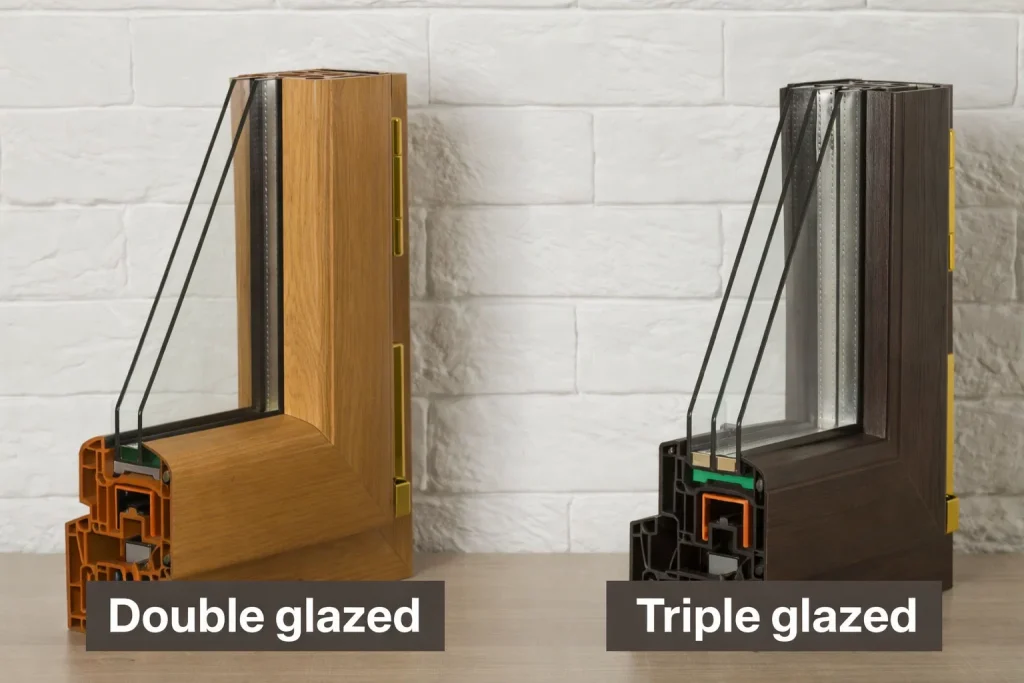
When it comes to boosting your home’s energy efficiency, not all glazing is created equal. Double glazed windows are a popular choice, featuring two panes of glass separated by a spacer bar and filled with an inert gas like argon or krypton. This clever design reduces heat transfer, meaning less warmth escapes and your home stays snug. The result? Better insulation, lower energy bills, and a noticeable drop in heat loss.
For those looking to take things up a notch, triple glazed windows offer even greater thermal efficiency. With three panes of glass separated by two gas-filled gaps, these windows provide superior insulation and are ideal for homes aiming for the highest levels of energy efficiency. If replacing old windows isn’t an option, secondary glazing is a cost-effective alternative. By adding an extra pane of glass or clear material to the inside of your existing windows, you can still cut down on heat loss and improve comfort without a full replacement. Whichever option you choose, upgrading your glazing is a smart way to keep your home warmer and your energy bills lower.
Draught proofing and energy efficiency
Even the best windows can’t do all the heavy lifting if draughts are sneaking in around the edges. Draught proofing is a simple yet highly effective way to boost your home’s energy efficiency. By fitting weather strips, seals, and trickle vents to your windows and doors, you can stop warm air from escaping and keep chilly draughts at bay. Trickle vents are especially handy—they allow fresh air to circulate without letting valuable heat slip away, striking the perfect balance between ventilation and warmth.
Reducing air leakage not only helps maintain a comfortable temperature but also means your heating system doesn’t have to work as hard, leading to lower energy bills. Plus, draught proofing can cut down on noise from outside and give your windows a neat, finished look. It’s a small investment that pays off in comfort, savings, and a more energy efficient home.
Benefits that go beyond warmth
While feeling snug on a Tuesday night in February is the main goal, the benefits of upgrading your windows ripple out much further than just comfort. Modern double glazing significantly reduces the amount of heat lost through windows, which plays a crucial role in improving overall home energy efficiency.
Slash your energy bills
This is the big one. Because modern double glazing creates such an effective thermal barrier, your boiler doesn’t have to work nearly as hard to maintain your desired temperature. Less boiler usage means less gas or electricity consumed.
Estimates suggest that upgrading from single glazing to modern A-rated double glazing can save a semi-detached household between £110 and £155 per year on energy bills. Over the lifespan of the windows, that is a holiday or two paid for just by stopping heat from escaping. Choosing energy-efficient replacement windows can further maximize these savings and ensure your home meets current building regulations and U-value standards.
Peace and quiet
If you live near a busy road, a school, or just have noisy neighbours who love a late-night karaoke session, double glazing is your best friend. The varying thickness of the glass panes and the argon-filled gap disrupt sound waves, significantly dampening external noise. It turns your home into the quiet retreat it should be.
Fort Knox security
Old windows are often a weak point in home security, featuring flimsy latches and external beading that can be easily removed. Modern double glazed windows in the UK are built differently. They come with multi-point locking mechanisms, key-lockable handles, and internal beading (meaning the glass cannot be removed from the outside). Plus, toughened glass is standard in vulnerable areas, making it much harder to break.
Banish the condensation
We have all seen it—waking up to windows that look like they have been crying all night. Condensation forms when warm, moist air inside hits a cold surface. Because the inner pane of a modern double glazed unit stays much closer to room temperature, condensation is significantly reduced. This isn’t just aesthetic; it prevents mould growth and protects your window sills from rotting.
Energy savings and older properties
If you live in an older property, you might think energy efficiency is out of reach—but nothing could be further from the truth. Swapping out single glazed windows for energy efficient windows, such as double or triple glazed units, can make a world of difference. Modern energy efficient glazing is designed to tackle heat loss head-on, helping you save money on energy bills and keep your home comfortable all year round.
Installing A-rated double glazing can save homeowners around £140 a year on heating costs, and the benefits don’t stop there. Upgrading to energy efficient windows and doors also reduces your carbon footprint and can even increase the value of your home. For older properties, these improvements mean you can enjoy the charm of your period home without sacrificing modern comfort or energy savings. It’s a win-win for your wallet and your way of life.
Maintenance and installation considerations
Getting the most out of your energy efficient windows and doors starts with proper installation and regular maintenance. Choosing a reputable installer ensures your new windows are fitted correctly, minimising air leakage and maximising energy efficiency. Pay attention to the U-value—a measure of how much heat transfers through your window. The lower the U-value, the better the insulation and the more you’ll save on energy bills.
It’s also important to look for windows with a high energy rating, which reflects their overall performance. Once installed, keep your windows in top shape by cleaning them regularly and checking for any signs of condensation or draughts. Addressing small issues early helps maintain the energy efficiency of your windows and doors, keeps your home comfortable, and protects your investment for years to come. With the right care and installation, energy efficient windows are a long-term solution for lower bills and a greener, cosier home.
Frequently asked questions
What is double glazing and how does it improve energy efficiency?
Double glazing consists of two panes of glass separated by a spacer bar, creating a gap filled with inert gas (usually argon). This creates an insulating barrier that reduces heat transfer. Modern frames further improve this with multi-chambered profiles that trap heat, preventing it from escaping your home and ensuring your heating system works more efficiently.
How much money can I save with double glazing?
While savings depend on your property type and current windows, replacing single glazing with A-rated double glazing can save a typical detached home significantly on heating bills—often estimated between £110 and £155 per year.
Is double glazing effective for noise reduction?
Yes, very. The combination of two glass panes, the argon gas gap, and tight seals disrupts sound waves. This can reduce external noise pollution from traffic or neighbours, making your home significantly quieter.
Does double glazing improve home security?
Absolutely. Modern double glazing features multi-point locking systems, internal beading (so glass can’t be removed from outside), and durable frames. This acts as a strong deterrent to intruders compared to older, single-glazed windows.
Will new window frames make my house warmer?
Yes. By significantly lowering the U-value of your windows (reducing heat loss), new frames retain the heat generated by your radiators for longer. This eliminates cold spots and draughts, making your living space feel consistently warmer.
How do I know if my double glazing needs replacing?
Look out for draughts around the frame, difficulty opening or closing the window, chips or cracks in the glass, or condensation forming between the two panes of glass (which indicates the seal has failed). If your windows are over 20 years old, they are likely far less efficient than modern standards.
Easiglaze: tailored solutions for Essex homes
At Easiglaze, we understand that upgrading your windows is an investment, and you don’t want to ruin the look of your home with clunky plastic frames that stick out like a sore thumb.
We specialise in marrying modern efficiency with traditional aesthetics. Our bespoke sash windows are perfect for vintage and period homes in Billericay and across Essex. They maintain that classic Georgian or Victorian charm but come packed with 21st-century technology.
We use unique Q-Lon gaskets which have a 99% compression recovery. In plain English? They spring back to shape every time you open and close the window, ensuring a perfect, draught-free seal year after year. Whether you need standard casement windows or something more specific, our FENSA registered team ensures an installation that boosts your security, cuts your noise pollution, and keeps that precious heat right where it belongs.
Transform your home with Easiglaze
Nobody enjoys throwing money away, yet that is essentially what happens every winter if your windows aren’t up to scratch. Modern double glazing frames are not just a cosmetic update; they are a critical component of a warm, secure, and energy-efficient home.
With over three decades of experience, Easiglaze is your local expert for high-quality double glazing windows and doors in Essex. We pride ourselves on unbeatable prices without compromising on quality or service.
Don’t spend another winter shivering in your own lounge. Contact us today for a free, no-obligation quote and find out how we can help you lower your bills and raise your comfort levels.